دریافت انواع مقالههای زبانشناسی کاربردی
اگر میخواهید در حوزه زبانشناسی کاربردی و به خصوص یادگیری زبان دوم مقالههایی مطالعه کنید میتونید از این لنیک تعدادی مقاله چاپ شده در ژوزنالهای معتبر این حوزه رو دانلود کنید:
Ferdinand de Saussure (1910)
Source: Saussure's Third Course of Lectures on General Linghuistics (1910-1911) publ. Pergamon Press, 1993. Reproduced here are the first few and last few pages of what are notes taken by a student of Saussure's lectures.
The course will deal with linguistics proper, not with languages and language. This science has gone through phases with shortcomings. Three phases may be distinguished, or three successive approaches adopted by those who took a language as an object of study. Later on came a linguistics proper, aware of its object.
The first of these phases is that of grammar, invented by the Greeks and carried on unchanged by the French. It never had any philosophical view of a language as such. That's more the concern of logic. All traditional grammar is normative grammar, that is, dominated by a preoccupation with laying down rules, and distinguishing between a certain allegedly 'correct' language and another, allegedly 'incorrect'; which straight away precludes any broader view of the language phenomenon as a whole.
Later and only at the beginning of the 19th century, if we are talking of major movements (and leaving out the precursors, the 'philological' school at Alexandria), came 2) the great philological movement of classical philology, carrying on down to our own day. In 1777, Friedrich Wolf, as a student, wished to be enrolled as a philologist. Philology introduced a new principle: the method of critical examination of texts. The language was just one of the many objects coming within the sphere of philology, and consequently subjected to this criticism. Henceforth, language studies were no longer directed merely towards correcting grammar. The critical principle demanded an examination, for instance, of the contribution of different periods, thus to some extent embarking on historical linguistics. Ritschl's revision of the text of Plautus may be considered the work of a linguist. In general, the philological movement opened up countless sources relevant to linguistic issues, treating them in quite a different spirit from traditional grammar; for instance, the study of inscriptions and their language. But not yet in the spirit of linguistics
بر روی ادامه مطلب کلیک کنید
What is Construction Grammar?
The term ‘discourse analysis’ has become really current only recently. But its concerns and methods have been pursued for considerably longer. So to understand what discourse analysis is all about, we might review some directions of study that could contribute their resources and outlooks to a programme of discourse analysis....
در این مقاله به تاثیر سن بر یادگیری زبان دوم پرداخته میشود. این مقاله را سرکار خانم نادری جم برای وبلاگ ارسال نموده اند.
Preamble
In this issue of New Focus, which examines the relationship of age to second language acquisition for school, two articles are presented. Virginia P. Collier reviews a number of studies, including her own recently completed one, that point to an advantage which children in middle childhood appear to have over younger children and adolescents in formally acquiring a second language. In the second article, Charles William Twyford analyzes a number of factors --cognitive, sociocultural, affective, and linguistic-- that may account for age differences in second language acquisition. Together the two articles provide an overview for practitioners that can form the basis for reasoned decisions in setting objectives, designing curricula, and selecting instructional strategies for limited-English-proficient students. ...
در این مقاله که بزبان انگلیسی است شما در مورد Interjections و یا همان "اِن و مِن" و اینکه چرا وقتی میخواهیم از حرف زدن طفره رویم از این اصوات استفاده میکنیم، بحث و صحبت شده است.
این مقاله بزبان انگلیسی بسیار ساده و قابل فهم نوشته شده است و علاوه بر بار علمی میتواند به پیشرفت زبانی شما نیز کمک کند.
در ادامه مطلب این مقاله را از دست ندهید.
منبع: وبلاگ زبان آموز
(۱۰)صهبا سلیمی
بنا به برنامه ثابت وبلاگ در روزهای پنجشنبه مقاله ای از دوستمان آقای سلیمی را براتون انتخاب کردم که امیدوارم خوشتان بیاد. نظرات شما در مورد مطالب وبلاگ همیشه مشوق و راهنمای آینده وبلاگ خواهد بود.
این مقاله را امروز از هزارتوی مقالههایی که چند سال قبل گرد آورده بودم بیرون کشیدم. در بین سایر مقالاتی که به معرفی نشانهشناسی میپردازند، این یکی به نظرم جالب، مختصر و مفید آمد. در فارسی درباب نشانه شناسی کتب و مقالاتی نشر یافته است. قبلاً در این روزنامه برخی از آنها را معرفی کرده ام. مقالاتی که دکتر فرزان سجودی، استاد زبانشناسی و مدرس دانشکده هنر به تالیف درآورده، و همچنین کتابی که اخیراً دکتر سیدعلی میرعمادی درباب نشانه شناسی ترجمه کرده است و پیشتر از آن نشانه شناسی پیرگیرو که به دست محمد نبوی ترجمه شده بوده است، و یا مبانی نشانه شناسی چندلر که هم نسخه اینترنتی آن موجود بوده زمانی و هم ترجمه فارسی آن امروز در دسترس است. (اطلاعات آن را در حال حاضر ندارم)
اما برای کسانی که میخواهند اطلاعاتی از باب آشنایی با نشانه شناسی کسب کنند، مقال زیر مناسب است. نخست به ذهنم رسید آن را ترجمه کنم، ازسویی گرفتاریهای شغلی مانع شد، و از سوی دیگر هم ترسیدم لطف سخن مولف در ترجمه من از بین برود، و حرفی را که او مستقیم و بی واسطه گفته چرا از دریچه ذهن خود عبور دهم و به خواننده مجله بخورانم. کسانی که اهل زبانشناسی هستند اهل زبان هم هستند، آن هم انگلیسی که رایج و شایع است. آلمانی و روسی و ایتالیایی نیست که کمتر کسی بداند.
از این روی امید دارم مقال حاضر علاقمندان را سودمند افتد. ما که کپی رایت نداریم تا اگر مقاله کس دیگری را از اینترنت برداشتیم در وبلاگ خود گذاشتیم حق و حقوقی به آن مولف بدهیم، اما وجدان که داریم، این است که امیدواریم نویسنده مقاله حاضر از ما راضی باشد که مقاله او را برای اطلاع خواننده ایرانی در وبلاگ خود گذاشتیم. یا حق یا هو
مقاله از این سایت برداشته شده است اما آدرس آن فیلتر است. چرا؟ نمیدونم.
به ادامه مطلب رجوع فرمایید.
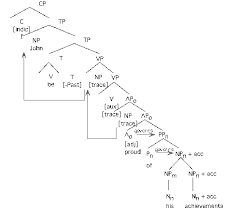
در ادامه مطلب تعریف نحو ایکس تیره بزبانی ساده و با مثالهای خوب به زبان انگلیسی جهت استفاده شما آورده شده است.
علت اینکه این مطلب بزبان انگلیسی میباشد گلایه برخی از دوستان بود ازاینکه مطالب انگلیسی وبلاگ کم است. امیدوارم مورد استفاده قرار گیرد.
|
Why Do Languages Change? |
|
Why do languages change? Well, there's been many theories about why languages change. This has intrigued people since time immemorial and it seems that almost everybody has an idea. One early example can be found in Bible in the form of the Tower of Babel, where God decided humans got a little too much hubris (oops...wrong mythology) and so made their lives miserable by giving everybody different languages. As science became a more dominant force in society, scientific explanations to language change were proposed. Here's a few through the years:............. Go to read more for reading the rest of the article. |
Before you read:
As we are trying to improve our weblog as a good source for linguistics purposes so we have decided to provide our readers with an English essay every week.
The articles will be in different topics and I am trying to improve your English and your general knowledge by these articles.
So please read the articles every week and try to get the points of each one.
All your articles and comments are welcome.